EMC develops child and youth protection resource
Ministry to kids and youth has changed significantly. Remember the Bible trivia games that happened in the eighties and nineties? Students were forced to sit on a stool with metal mesh on the seat. If they answered a question correctly, they received a prize, but if they answered incorrectly, the host pressed a button powered by a car battery, resulting in an uncomfortable zap. In the youth group planning book, this was called the hot seat. Kids would get zapped, and everyone laughed. Embarrassment was a teaching tool. As our culture has grown, we have realized that embarrassment is not an appropriate teaching tool.
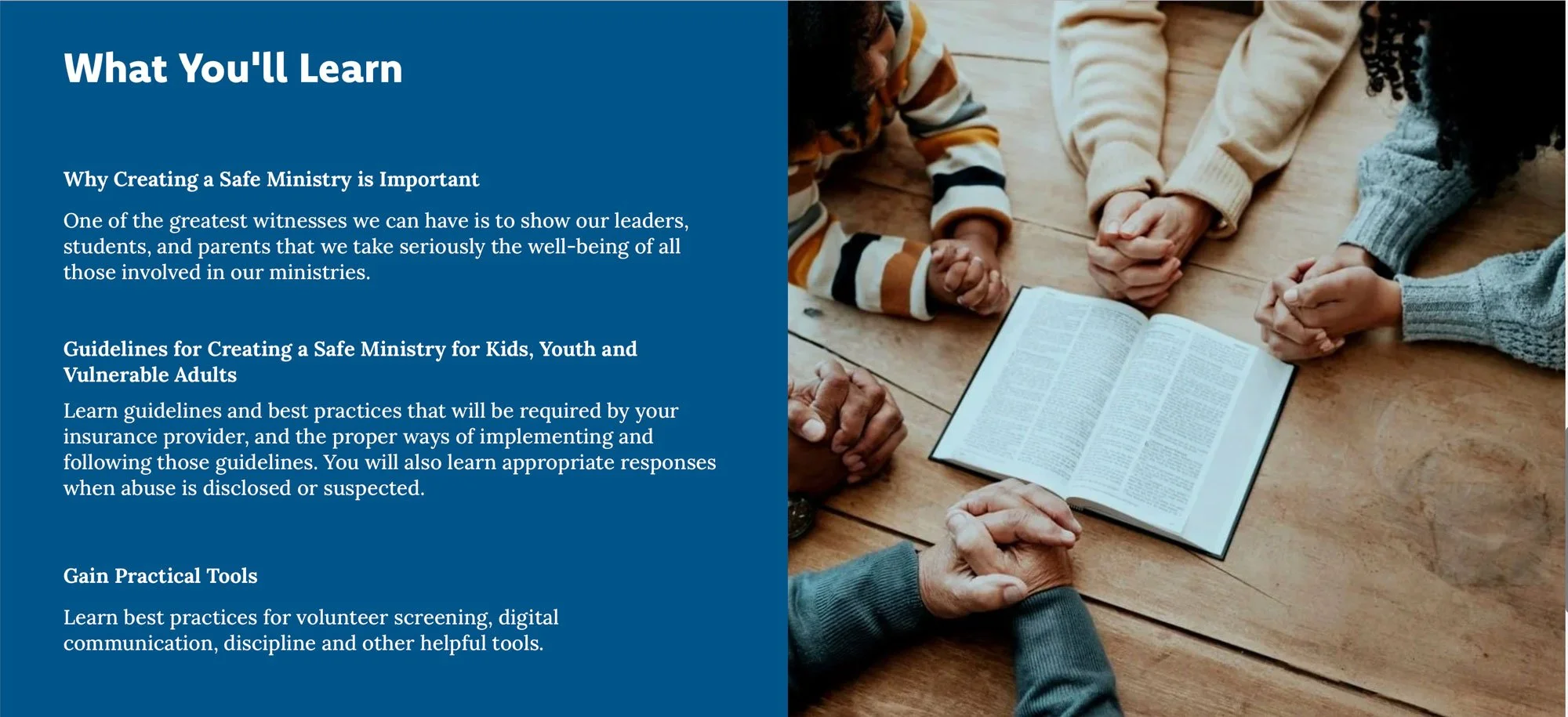
Screenshot from www.emconference.ca/child-protection-training
In the emergence of the Sunday school and youth group movements of the nineteenth century, the church was seen as inherently trustworthy. The programs it ran and the people who ran them could be trusted. Over the years, there have been many damaging stories of abuse and inappropriate behaviour. These cases have left many people scarred and traumatized by those they trusted. This reality has forced ministries to take extra care when creating safe ministries for leaders and participants. The need for churches to carry liability insurance to protect the ministry from abuse has resulted in a different ethos of ministry.
Now we live in a culture of permission slips, liability forms, and child protection policies. Some view this as an attack on the church’s ability to do ministry because it creates a logistical nightmare. I see this as a tremendous opportunity for the church to communicate our commitment to the safety and well-being of others. We can show that we take ministry protection seriously, especially for minors and vulnerable adults.
Many churches in the EMC have a child protection policy in place and are seeking to follow it to the best of their ability. While this requires effort to run background checks, gather permission slips, and ensure proper procedures are followed, churches do this extra work to prevent abuse and its consequences. There are churches starting to develop child protection policies and need resources to create a plan.
Over the last year, a team has created a resource for churches to understand what needs to be included in a protection policy and what is required by insurance providers. This resource was made into short teaching videos or a downloadable PDF and PowerPoint files. The EMC does not have a standard child protection policy that churches can copy and paste. Each church needs to create a policy that works in its context. This resource helps leaders consider what to include as they build the child protection policy. We would also recommend developing a relationship with your insurance provider. Many providers have staff who work directly with churches and charities.
Check out this child protection resource on our website at www.emconference.ca/child-protection-training.