Sabbath as a spiritual practice
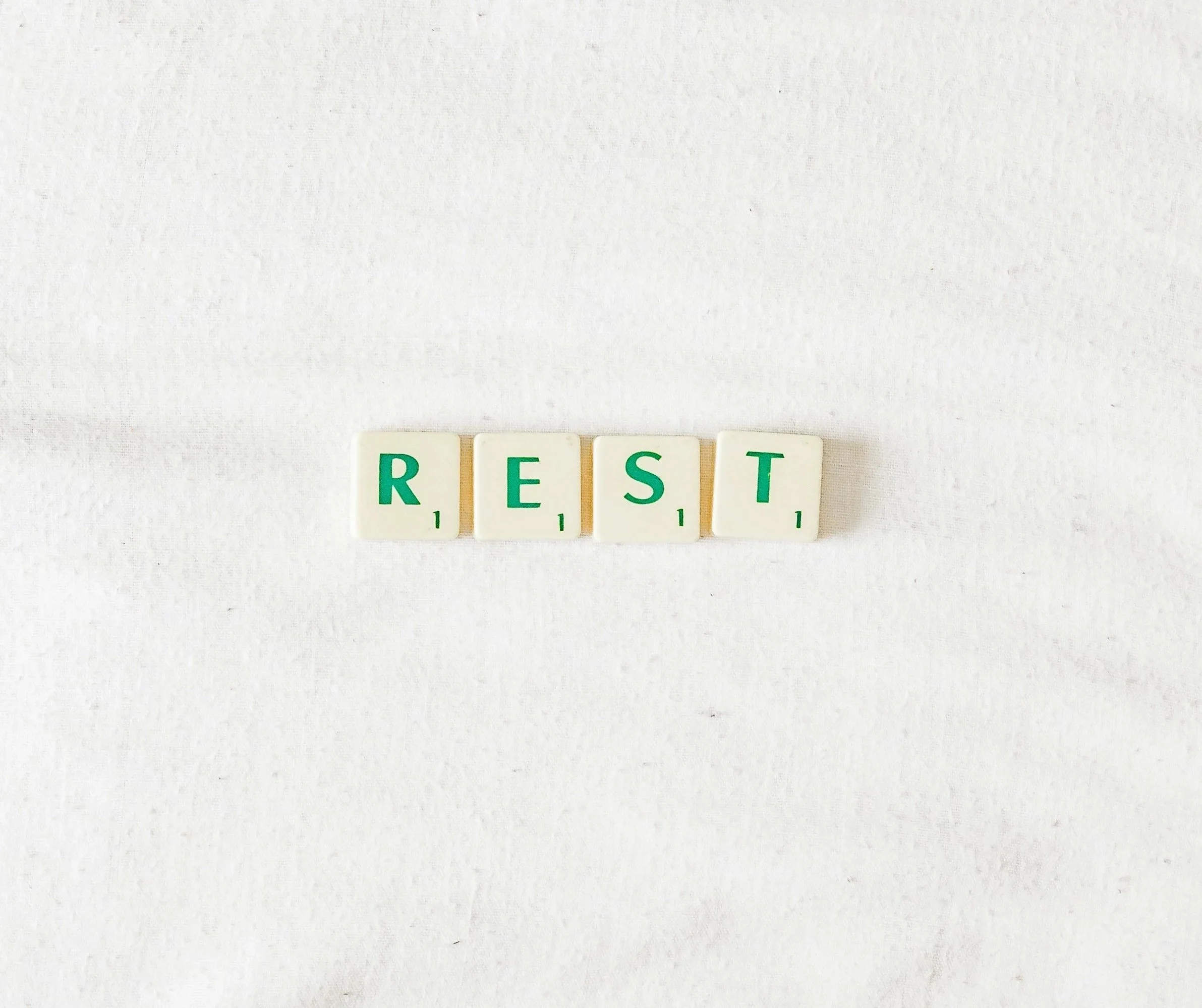
What does Sabbath look like for you? I need to confess that I have not modelled Sabbath well to the next generation. Growing up, Sabbath meant not doing work—no yard work, no cleaning, no changing the oil. For farmers it meant no field work. To quote my father-in-law when talking about the struggle to not harvest on a beautiful fall Sunday, “If God gives good weather on Sunday, he will also give good weather another day,” and the combines would be parked for the 24 hours of Sunday.
I was in my 40s when I realized that many digital ovens have a “Sabbath mode” that restricts operation on a chosen day of the week. In my life, Sabbath has been a guilt-based practice that limits what I should and shouldn’t do, but has often been devoid of significant spiritual meaning.
John Mark Comer, in his video series called The Sabbath Practice, introduces the viewer to four meanings for the word Sabbath. They are: stop, rest, delight and worship. Comer suggests following a rule of life that includes a 24-hour pause to Sabbath as a way to connect ourselves with the natural cycle of creation. Let me briefly explain these four.
“Stop” is the idea that we break from the activity of the week and be still, giving room to turn our attention to God. “Rest” causes us to consider and use this time to recharge and allow ourselves time to set aside our work, worries and anxieties. “Delight” means doing things that bring us joy, such as spending time with family, enjoying a hobby, or having coffee with a friend. We use this time to remind ourselves that God has created us to delight in him and his creation. Finally, “worship” means to take time to give glory, honour and praise to God, to celebrate Jesus’ gift of salvation and to experience the fullness of relationship with the Holy Spirit. I haven’t been good at this bigger picture of Sabbath. I have often stopped my vocational work, but replaced it with other work. I tried to rest, but because rest isn’t a regular part of my life, I find myself too exhausted to really focus on delight. And in this exhaustion, worship can at times become a duty I struggle to find life in. This isn’t Sabbath, this is religion. Participation in Sabbath is about orienting our lives in a way that makes room for God.
Am I passing on a way of life or just a legalistic practice to the next generations? How about you? Sabbath, like many other spiritual practices, is better caught than taught. The next generations are watching us and learning about Sabbath from our lives. In a world filled with non-stop busyness and anxiety, God is offering us a practice that he designed to bring joy, rest, connection with God and others, and rejuvenation. Let’s practice Sabbath.
Photo credit: Sincerely Media on Unsplash

RightNow Media screenshot
Resource Corner
The Sabbath Practice
“Want a resource to help develop the practice of Sabbath? Explore The Sabbath Practice by John Mark Comer on RightNow Media.”
– Mo Friesen