The ability to observe and point out life’s paradoxes is a powerful device in the artist’s toolbox.
Take, for instance, the novelist Charles Dickens, who wrote in A Tale of Two Cities, “It was the best of times, it was the worst of times, it was the age of wisdom, it was the age of foolishness.” On the eve of the French Revolution, Dickens witnessed palpable tension between England and France: progress, wealth, and reason alongside poverty, injustice, and disparity. He had a talent for recognizing the paradox of his time.
Similarly, G. K. Chesterton—a master of paradox—wrote in Orthodoxy, “The whole secret of mysticism is this: that man can understand everything by the help of something he cannot understand.” Chesterton’s insight reminds us that two seemingly contradictory realities can be true about God at the same time. Two realities converge when viewed from different perspectives.
A familiar biblical paradox emerges when Ezekiel is commissioned as a prophet to Israel. God instructs Ezekiel, “Eat this scroll” (Ezekiel 3:1). The scroll represents God’s life-giving word, which tastes like honey in Ezekiel’s mouth. Yet Israel rejects the prophet’s warnings because they have become “hardened and obstinate” (v. 7). To them, God’s word is sour. Ezekiel’s assignment reminds readers that God’s word can comfort and confront us at the same time. Scripture resists our superficial readings. God’s instruction brings both comfort and the uncomfortable dying to self that sanctification demands.
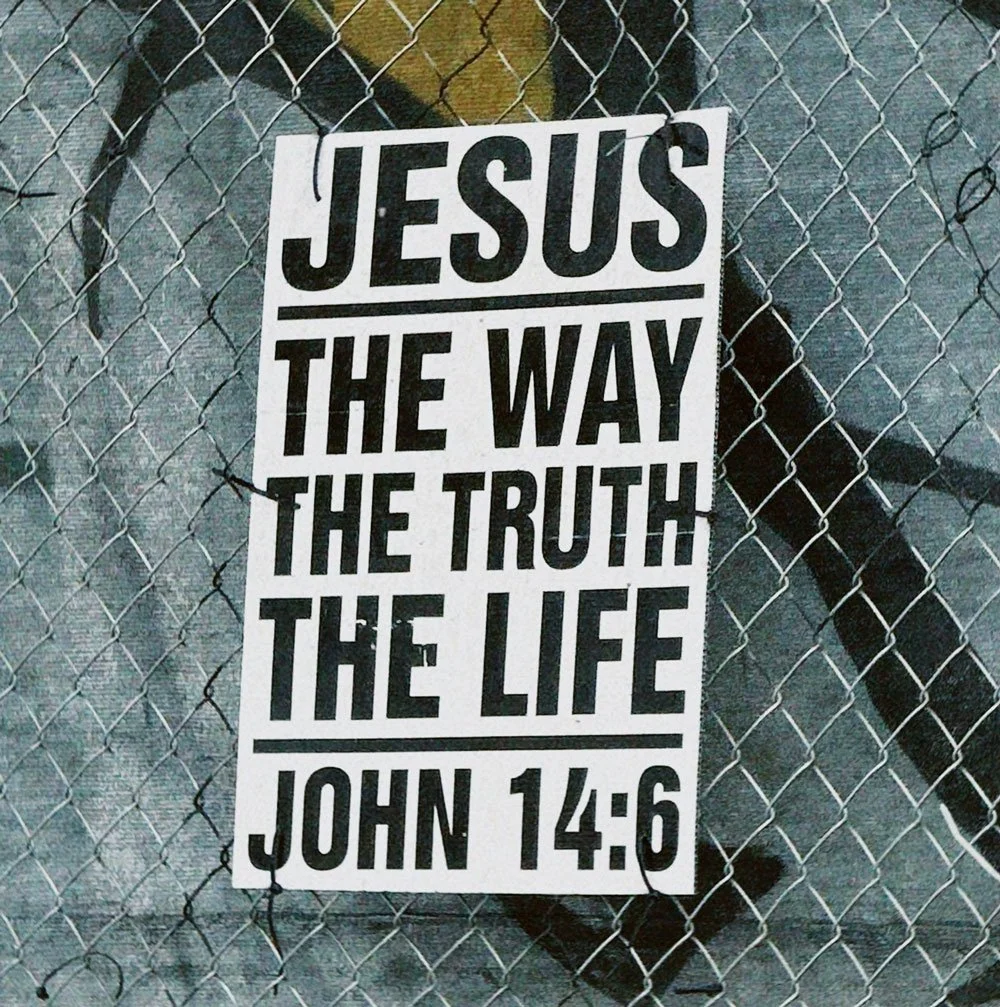
In Scripture, God often works through realities that appear paradoxical: strength through weakness, life through death, greatness through service, and freedom through surrender. The way of Jesus is unmistakable when it’s juxtaposed with contemporary culture. Comfort, self-advancement, personal autonomy, status, performance, and the gathering of power are the cultural wiring of the modern elite. Jesus, however, calls his followers to a different way: sacrificial love, humble service, and the relinquishing of power for the good of others. Where the world urges us to save ourselves and pursue greatness, Christ invites us to deny ourselves, serve our neighbour, and love him above all else.
As you journey through this issue, we hope you discover the wonderful paradoxes veiled within its pages. Daniel Rempel explores the paradox that disability is both a real, lived challenge and not a fixed condition that makes someone lesser. He reasons that the modern church becomes more whole by recognizing its dependence on people who are often treated as less than fully human.
Andrew Braun, executive director of Inner City Youth Alive, shows how a social enterprise program such as Step Up Construction exists not chiefly to perform renovations or earn a profit, but to employ, disciple, and restore people. Paid work becomes ministry: men literally repair bridges as they move from gang involvement and instability toward belonging, faith, and family life. As they restore their world, they are themselves restored.
Following Jesus is both the most exhilarating and the most challenging adventure you will walk. We serve a God who is “high and exalted” (Isaiah 57:15) yet able to sympathize, for he “has been tempted in every way, just as we are” (Hebrews 4:15). Now that’s a paradox worth pondering.
Photo credit: Christopher Stites on Unsplash
Audio is generated with AI voice technology