Telling stories that matter
Visual storytelling as ministry in a modern world
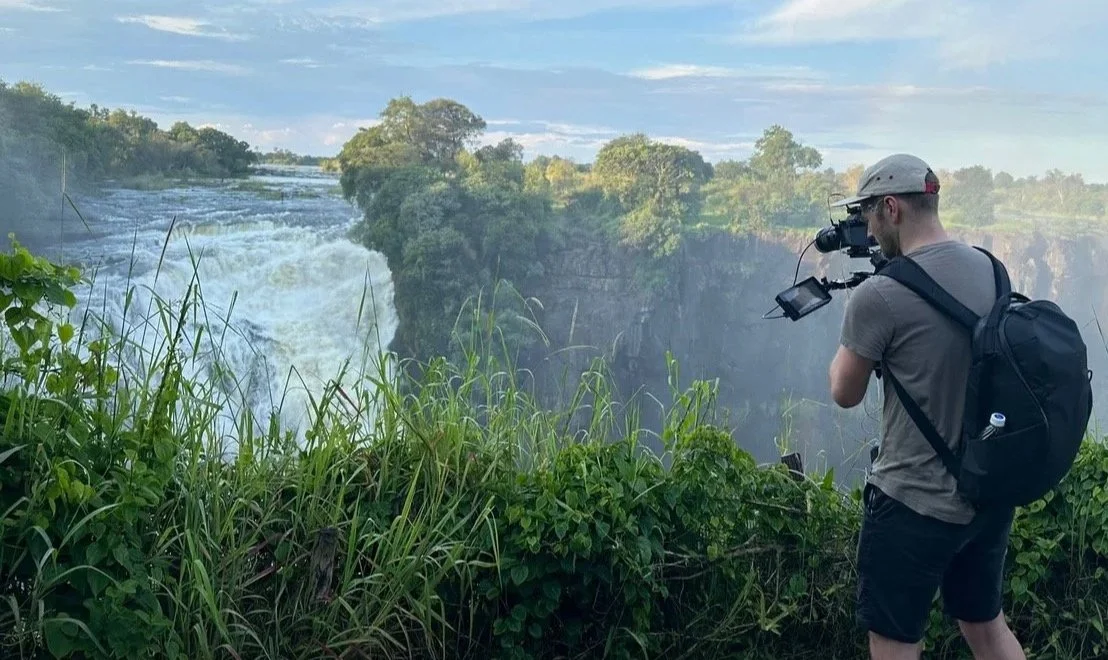
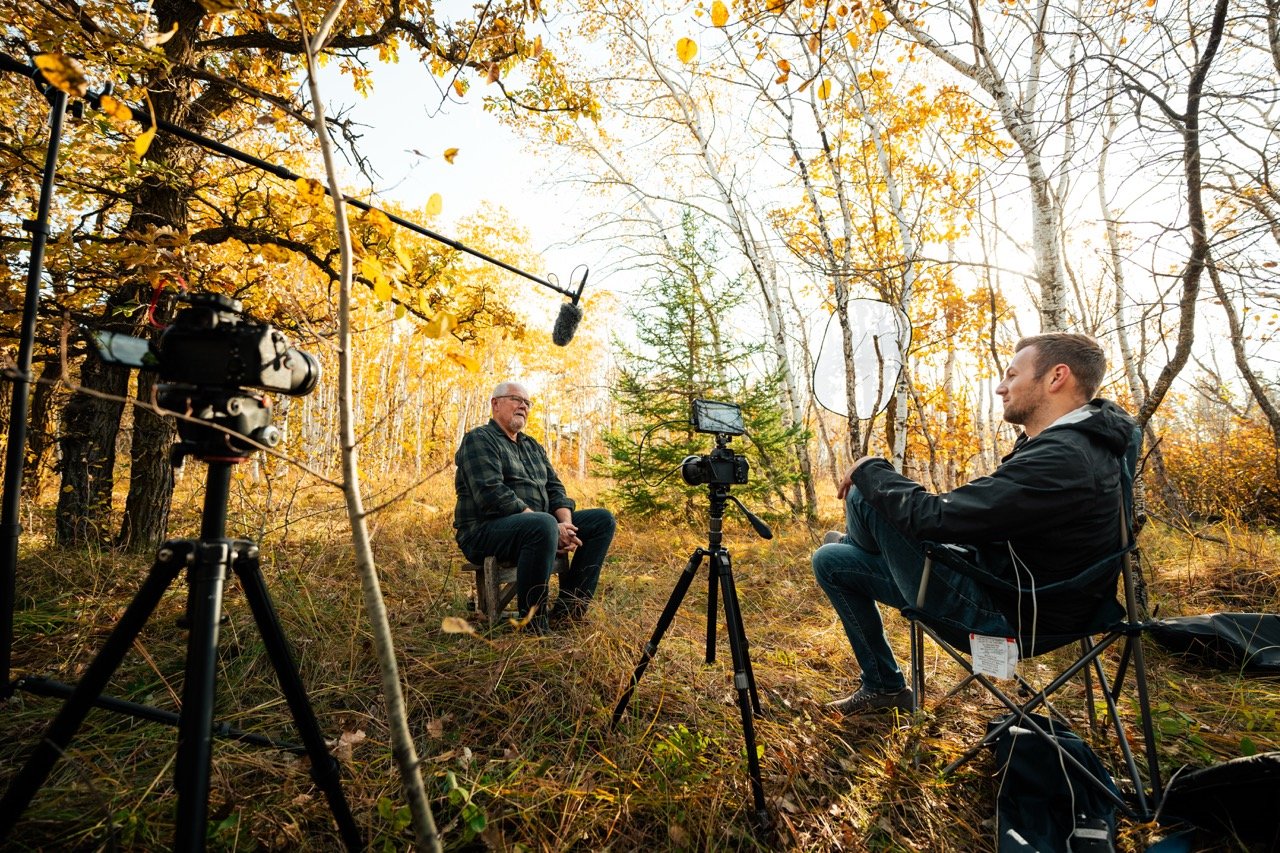
For more than a decade, Cullen Klassen has been behind the camera telling stories. What began with homemade music videos and a GoPro camera eventually developed into a vocation focused on capturing stories of transformation and mission.
In 2022, Klassen founded Root Visuals, a Manitoba-based visual storytelling company that creates documentary and commercial work for non-profits and businesses. Since then, his work has taken him around the globe, capturing authentic, character-driven stories for organizations committed to meaningful impact.
Klassen’s work raises an important question for the church: What if visual storytelling is more than a communications tool? What if telling compelling stories can itself become a form of ministry?
I (Scott Marble) spoke with Klassen about what makes a story powerful, why authenticity matters and how churches of any size can start using visual storytelling to serve their congregations and communities.
SM: What first drew you to visual storytelling, and when did you begin to see it not only as a creative hobby but as a way to serve people and organizations with a mission?
CK: Like a lot of videographers and photographers, I started doing it as a hobby. In high school, I would make music videos to songs I liked. When I went to Bible school, I bought a GoPro and started taking photos and making highlight videos of my experience.
At the heart of it, I think creating is just fun. There is something about capturing moments and then processing them in post-production—crafting them into something that lasts longer than the moment itself. Those moments can become the starting point for telling a larger story.
Things began to shift for me when I helped start a young adult worship ministry in Winnipeg called Bread We Break. The planning team needed someone to take on communications, and I thought, “I think I would enjoy that.” I jumped in and discovered that I really liked media, marketing, and communications. Eventually, I studied communications and media at Providence.
From there, I worked at several marketing agencies as the in-house video person. I gained skills and experience, but over the years I also had this growing sense that maybe I could use those abilities in a way that made a deeper difference—maybe even a kingdom impact.
About five years ago, I read Garden City by John Mark Comer. That book had a huge impact on me. It helped bring together things God had already been shaping in my life: mission, vocation, and the idea of using the skills God gives us to make the world a more garden-like place. I started asking how I could use the experiences and abilities God had given me more intentionally.
One experience in particular brought that into focus. I was working for a video company when my boss gave me time away to travel to Myanmar and film a project connected with Multiply [the mission agency of Mennonite Brethren churches in North America]. I documented a coffee business that was making a holistic impact in its community by providing jobs, helping families send their children to school, and creating relationships where people could encounter Christ.
I remember feeling completely alive on that trip: being in a cross-cultural setting, capturing what was happening with a camera and then shaping the story afterward. One of the questions in Garden City is essentially, “Where do you feel most alive?” For me, that trip was one of those times where I recognized that God was calling me.
SM: You describe your work as “powerful visual storytelling that captures positive impact.” What makes a story powerful, and how do you recognize a story worth telling?
CK: For me, a powerful story is one that someone watches and walks away from feeling a deep emotional or spiritual impact. Maybe there is a moment in the story that connects with something God is already speaking.
The foundations of storytelling are fairly simple. There is usually rising action, conflict, and some kind of resolution. I recently taught a video seminar in Thailand and talked about those basic elements. We looked at the gospel as the greatest story ever told and saw those movements within it: growing conflict, the crucifixion as this climactic moment, and then the resurrection.
Especially in faith-based storytelling, I think we often see a redemptive arc that echoes the gospel. When you have experienced redemption personally, you resonate with stories that reflect that movement. That may be one reason baptism testimonies can be so powerful. We recognize something of our own story in them, and hearing someone else’s story can become an opportunity to worship God again.
Powerful stories often contain a contrast between struggle and redemption. A person goes through something we can relate to, or they experience a revelation that parallels our own lives. Sometimes a story also moves us toward action. It may cause someone to ask, “Am I being called to missions?” or “Is God asking something of me?”
Over the last few years, for example, I worked on two short documentaries featuring Philip Serez and his family as they walked through his experience with ALS [Amyotrophic Lateral Sclerosis]. ALS is already a relatively rare disease, but when you add someone willing to be vulnerable and allow a camera into that journey, along with the way faith and mission continue to shape his life, you have a unique Venn diagram of circumstances. [The video is available at multiply.net/serezvideo.]
Each of us has unique threads in our stories. Sometimes we are not comfortable enough to share them because vulnerability is difficult. Other times, we simply do not recognize what is unique about our own experience. That is where a storyteller can help. Someone who knows how to ask the right questions can draw out details that a person may never think to include on their own.
SM: This article is about innovative ministry in the modern world. From your perspective as a visual storyteller, how can video help churches imagine new ways to communicate the gospel and serve their communities in our current culture?
CK: Video is one of the primary communication mediums of our time, and it is likely to stick around. What is particularly interesting right now is that acceptable video quality is available at many different levels. Because of social media, something captured on a cell phone can sometimes reach more people than something filmed with an expensive professional camera kit. That creates a lot of possibilities for churches.
Internally, churches can use video for announcements, testimonies and baptism stories. Recording a baptism testimony ahead of time, for example, can help someone craft their story and allow the church to present it clearly.
But churches can also think beyond the Sunday service. Suppose you are running a community event. Someone can take a phone and capture short clips throughout the day. Those clips can quickly become a highlight video for social media that celebrates what happened and invites people into future events.
The technology in our hands is getting better and better. Cell phones are improving in low light, audio processing and noise cancellation. We already have access to tools that would have been significantly more difficult or expensive to use in the past.
The question becomes: How can we use what is already in our hands to tell stories?
SM: Your mission emphasizes authenticity—why is it important for churches to tell stories that include real struggle, not just stories that feel finished, polished, or successful?
CK: Think about watching a movie. Usually, the main character goes through some kind of struggle. That is part of what makes us relate to them. We want to cheer for them as they move through the difficulty and hopefully reach the other side.
I also think younger generations have become very good at detecting when something feels fake. There is something attractive about people who are honest and authentic. You feel as though you are encountering the actual person rather than a polished version of them.
It’s like the difference between having small talk with someone in the church foyer and sitting down for coffee or sharing a meal. In that second setting, you can go one step deeper. You begin to discover how the person is actually doing. Authentic storytelling does something similar.
When we hear someone honestly talk about what they are experiencing, we can begin to care for them differently. We may recognize that they are walking through something incredibly difficult. We begin to cheer for them. Their struggle may also connect with a struggle in our own lives.
That is one reason authenticity matters. Struggle is part of what makes a story powerful.
SM: Many churches think of video mainly to promote events or programs. How might churches begin to see storytelling as a ministry in itself?
CK: I think part of the transition is learning to tell stories well. Churches should think carefully about how they communicate so the story is clear rather than confusing or distracting.
From there, take stock of the people in your community. Who is already interested in video? Who gets excited about telling stories? Maybe that person begins as a volunteer. Eventually, a church may decide that communications and storytelling are important enough to invest in a part-time or full-time position. The important shift is seeing how storytelling can reach beyond the walls of the church.
If you record testimonies and people give permission to share them publicly, those stories can reach people who were not present on Sunday morning. Churches could also make a simple video showing newcomers what to expect when they visit. Walk them through the building. Show them where they can sit, where their children go, and who they might meet.
Visiting a church for the first time can be confusing and uncomfortable. A simple video can lower that barrier before someone ever walks through the door. Or consider churches already livestreaming sermons. Someone could take two or three short sections from the sermon each week, add captions and share them on social media. That can remind people of the message during the week. But those clips also have the opportunity to reach beyond the people who were sitting in the room on Sunday.
SM: For churches with limited budgets or small teams, where should they begin if they want to incorporate storytelling into their ministry?
CK: I would begin by sitting down with your team and putting everything on a whiteboard. Ask, “What would we love to do?” Do not worry about what is realistic at first. Just put the ideas up there.
Then start asking practical questions. How much time would each idea take? What people would we need? What equipment? What skills? That process will help you identify the low-hanging fruit. You might realize that one idea would hardly add any time to someone’s week, or that someone already serving in one role could easily add a small storytelling component.
Then take stock of the wider church community. Who is already interested in this? Maybe there are young people who love making videos. Maybe someone owns a DSLR camera because photography or videography is already a hobby.
You can even start with photography. There may be more photographers than videographers in your congregation. Begin by capturing high-quality photos of church life, Sunday gatherings, and community events, and start sharing those stories.
Over time, a church can consider investing funds into equipment or staff. But I do not think you have to begin there. Begin with the people, time, and resources God has already placed in your hands.
Ask God for the imagination
Visual storytelling happens to be the craft God has led me toward, but it is only one of many creative and innovative ways people can participate in God’s mission. It does not even have to be artistic. It could be business. I have met business owners who see what they do as a way of being on mission and building the kingdom.
What ties these things together is our God-given imagination. We can ask, “How could I use the resources God has placed in my hands to give back to him? How can I worship him through what I create? How can I build something that draws people toward him or participates in his kingdom?”
Maybe you are a videographer. Maybe you own a trades business. Maybe God has placed you somewhere completely different. Whatever it is, ask God for the imagination to see how you can use what is already in your hands—and the place where he has already put you—to build something with him.
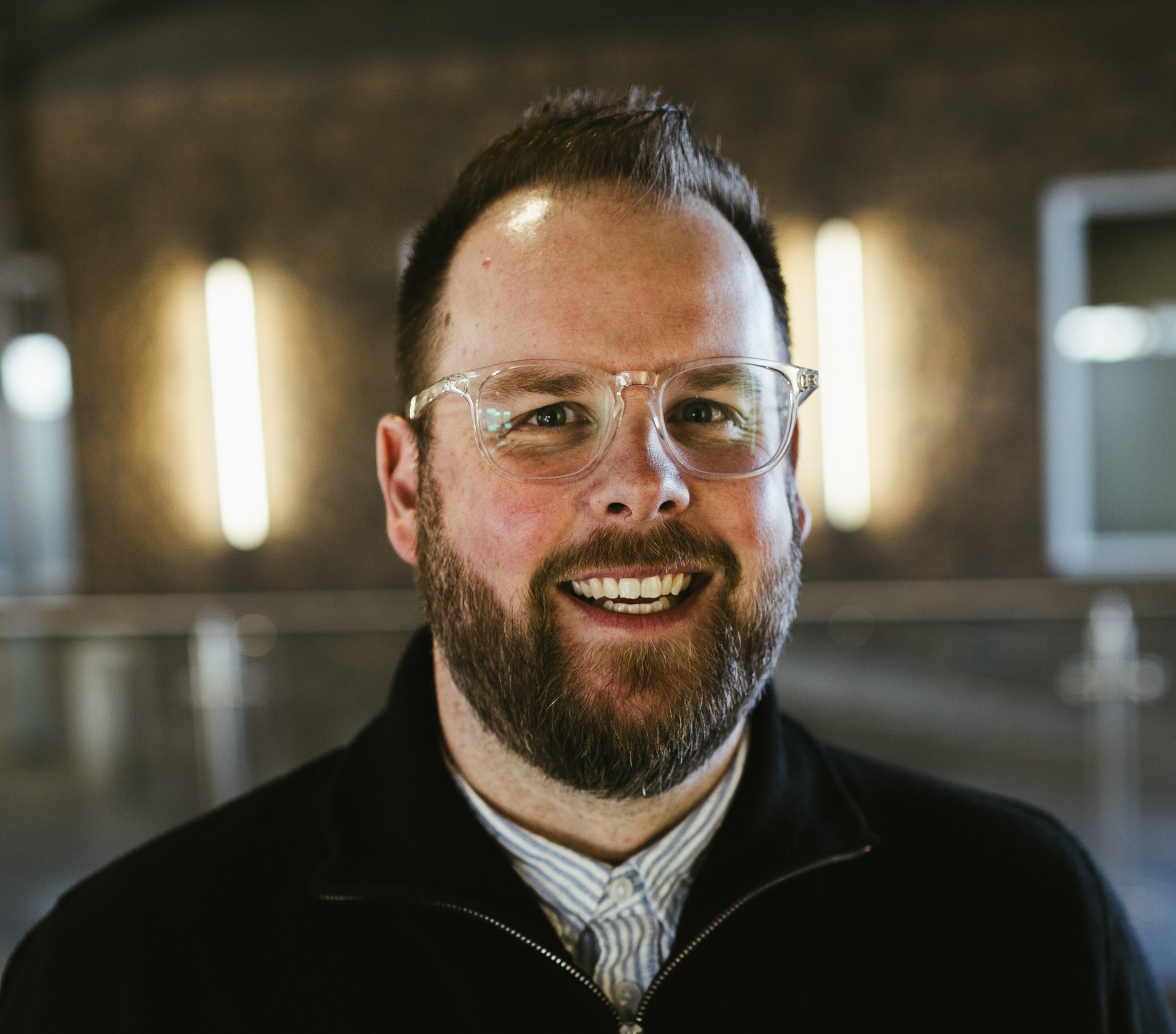
Cullen Klassen is the owner and filmmaker behind Root Visuals, a Manitoba-based production company that helps businesses and non-profits tell meaningful stories through documentary and commercial filmmaking. With more than a decade of experience in visual storytelling, Cullen has filmed for organizations and documentary projects in more than 25 countries around the world.
Cullen Klassen is the owner and filmmaker behind Root Visuals, a Manitoba-based production company that helps businesses and non-profits tell meaningful stories through documentary and commercial filmmaking. With more than a decade of experience in visual storytelling, Cullen has filmed for organizations and documentary projects in more than 25 countries around the world.
Audio is generated with AI voice technology.